

A Blue Current guided tour
The intermodal industry, explained.
How a sealed box moves across oceans, railroads, and highways to carry the goods that run the economy — international and domestic, start to finish. Skim it in two minutes, or go as deep as you like.
One site, two reading speeds
How deep do you want to go?
Every chapter has a Skim view — the essentials in plain language — and a Deep dive with diagrams, data, and cited sources. Flip the switch in the header any time; your choice follows you across the tour.
2-minute skim
Get the whole industry at a glance.
Deep dive
Mechanics, equipment, and economics.
Cited throughout
Public data, every figure sourced.
Facilities map
Every ramp, railroad, and port.
The guided tour
Eight chapters, start to finish
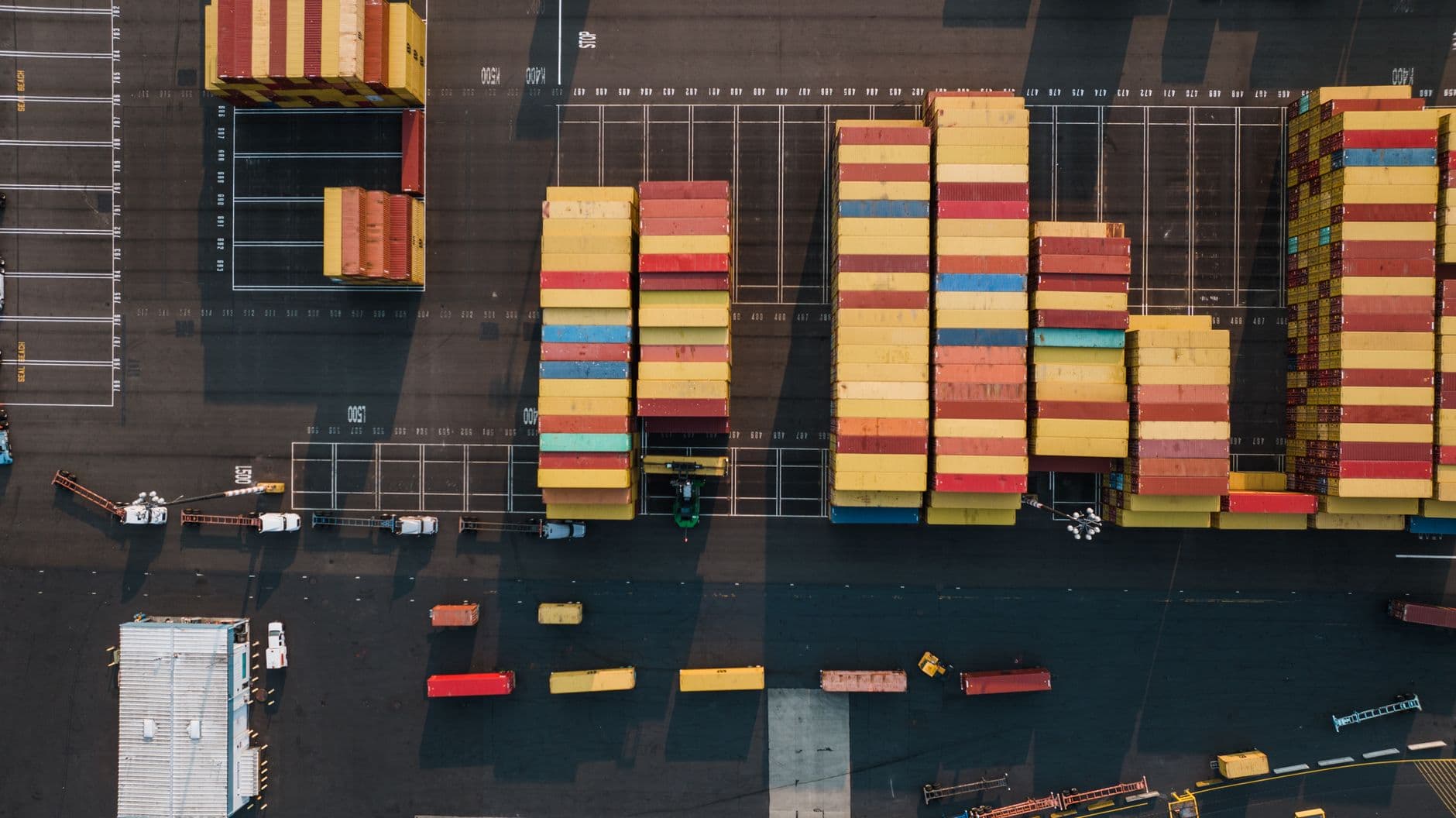
What is intermodal & why it exists
The box stays sealed; only the mode changes. The core idea in two minutes.
Read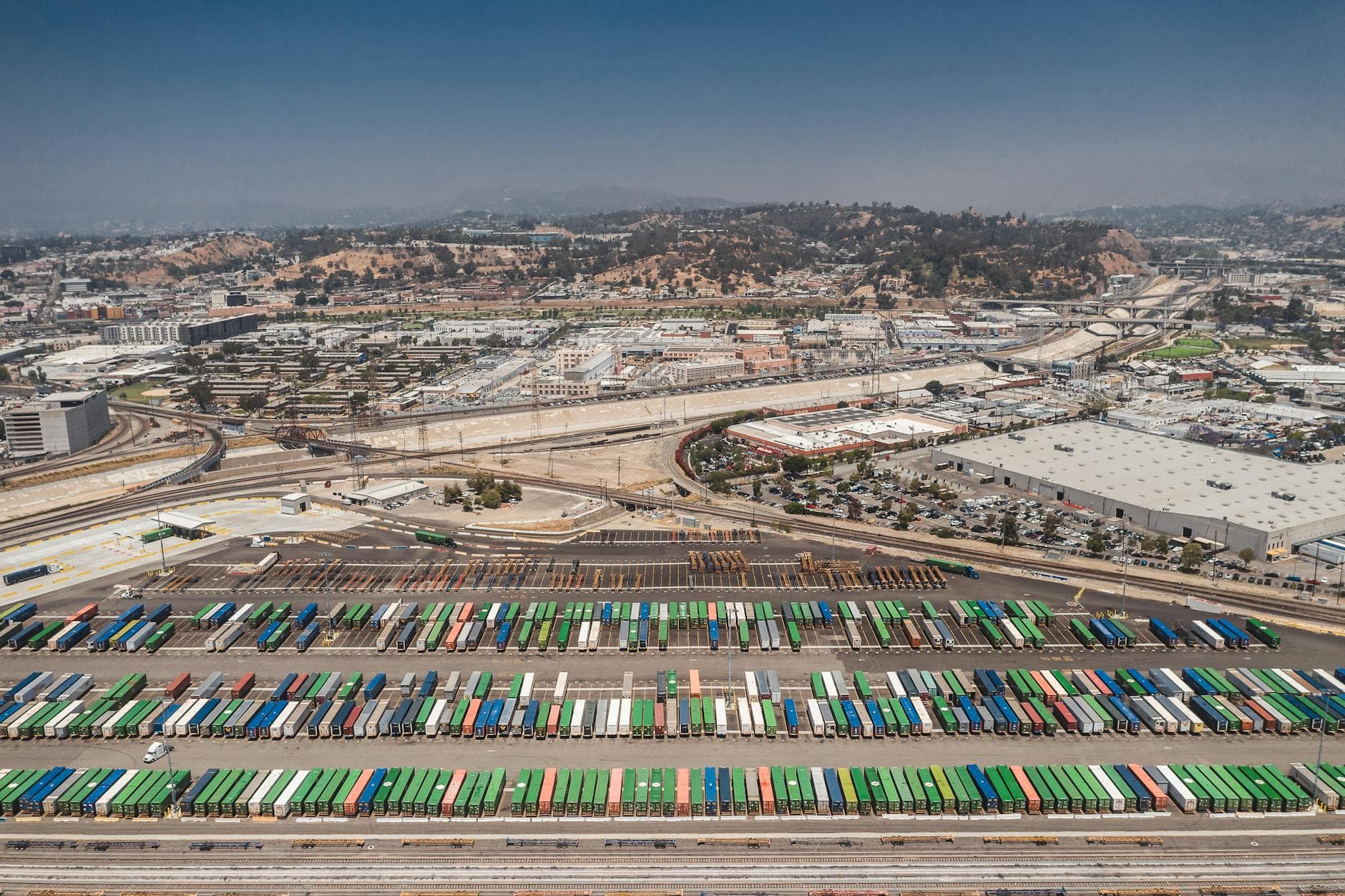
History & milestones
From McLean's 1956 sailing to deregulation and the rise of double-stack.
Read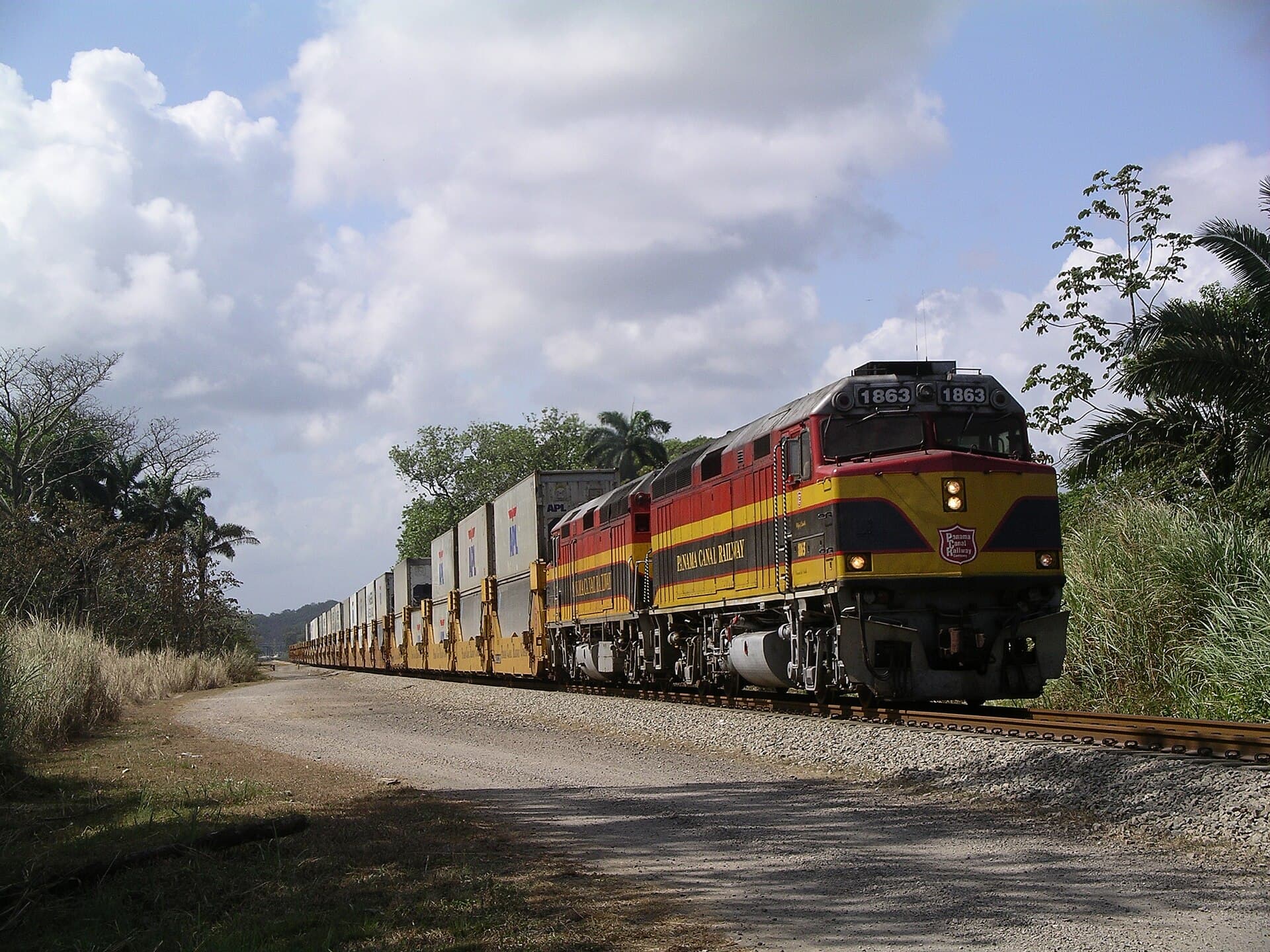
The equipment
Containers, chassis, and the double-stack well car that changed everything.
Read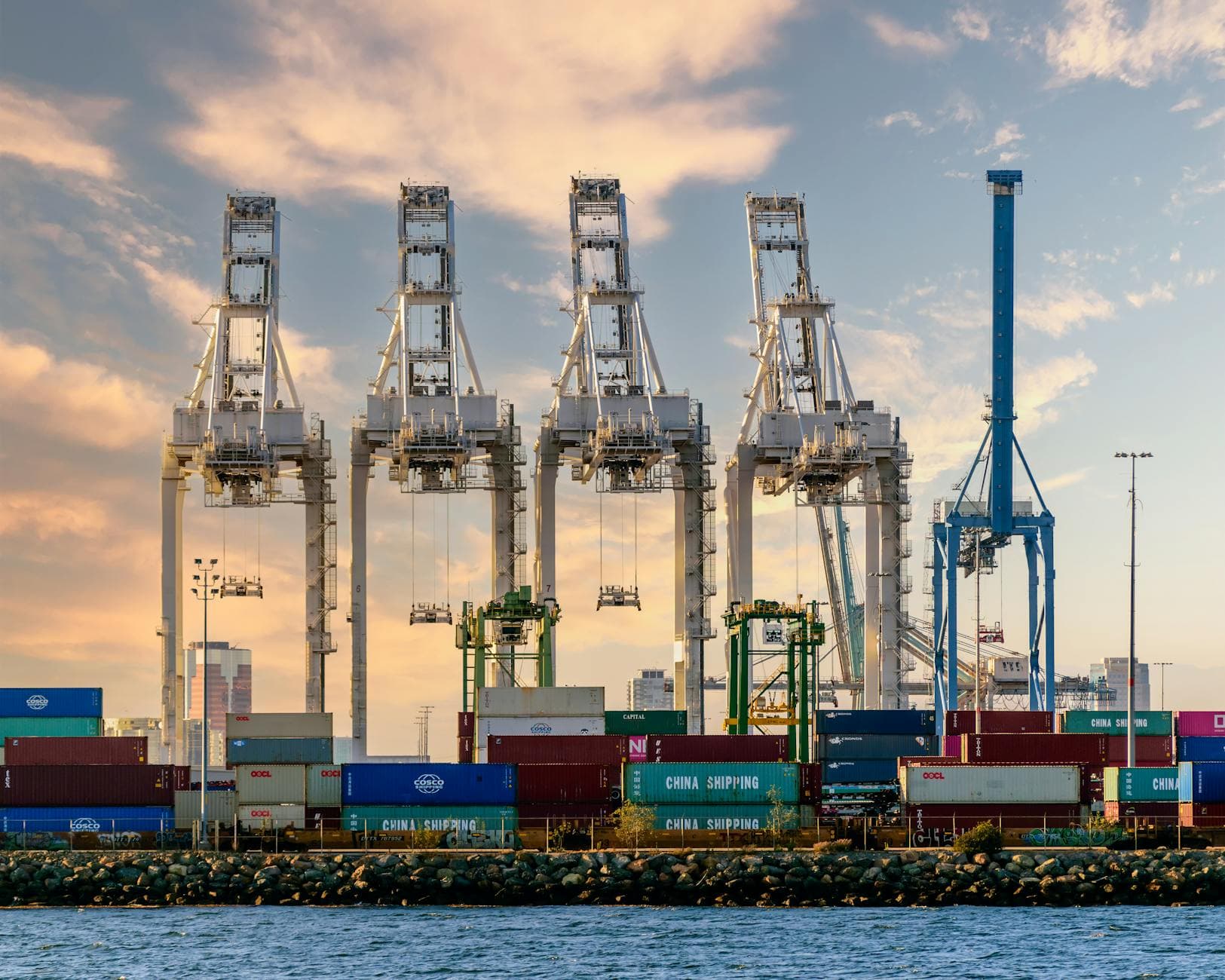
International vs. domestic
Ocean ISO boxes and TEUs versus the 53-foot domestic container. COFC vs. TOFC.
Read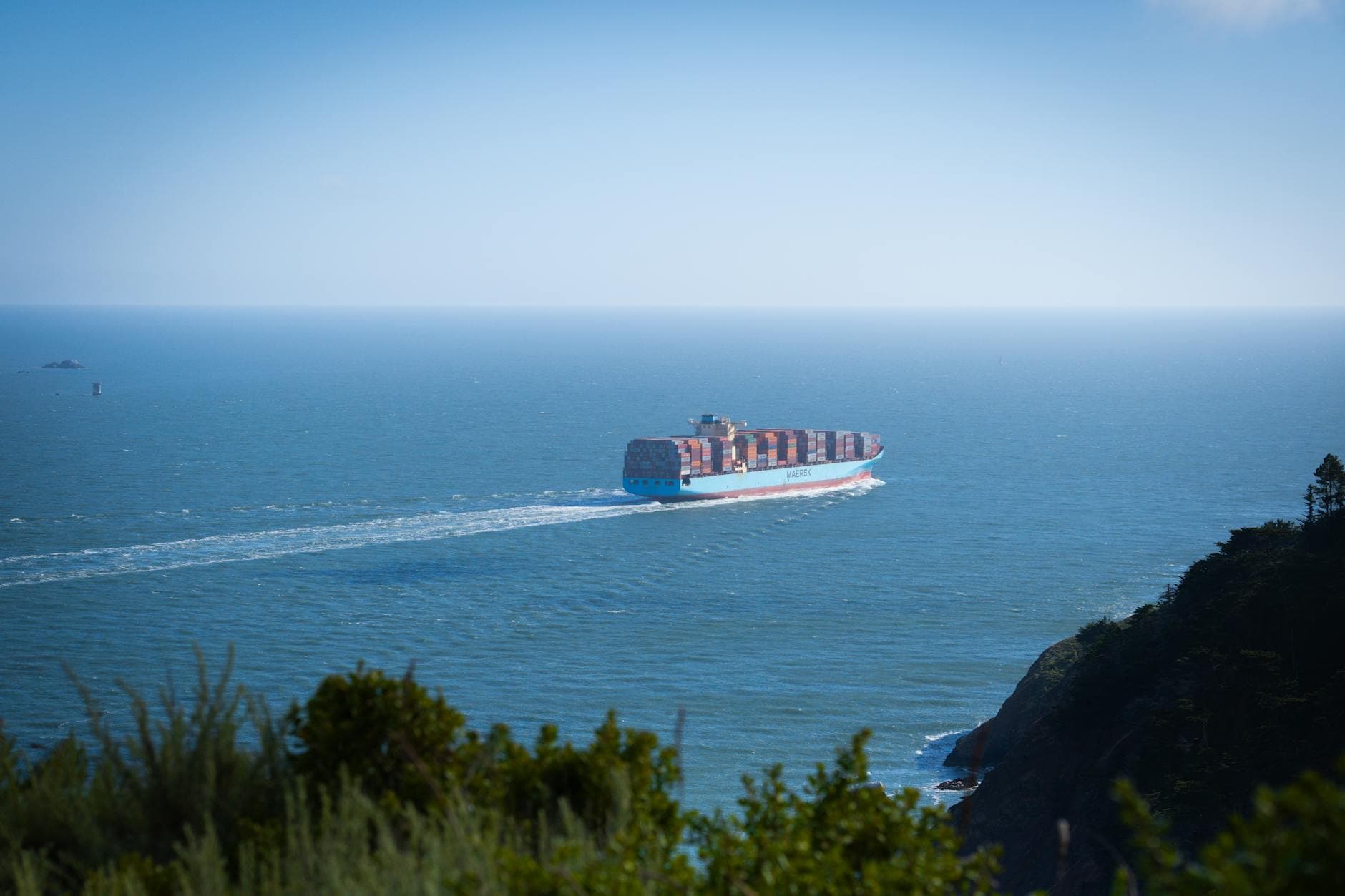
The journey of a container
Follow one box from ship to port to rail ramp to your front door.
Read
Who makes it move
Ocean carriers, railroads, IMCs, drayage, ports, chassis pools, and shippers.
Read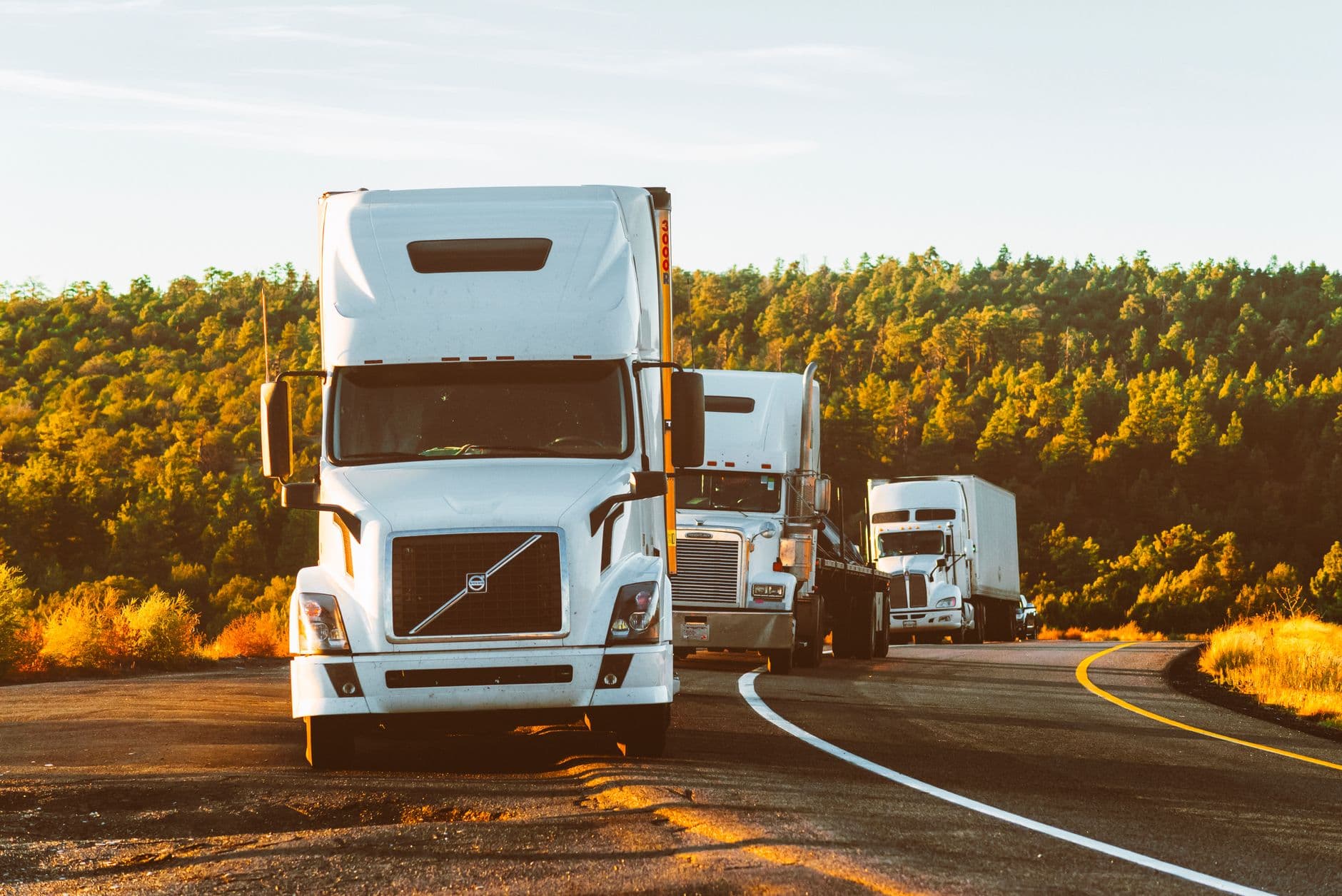
Economic & environmental impact
Why moving freight by rail is cheaper, cleaner, and easier on highways.
Read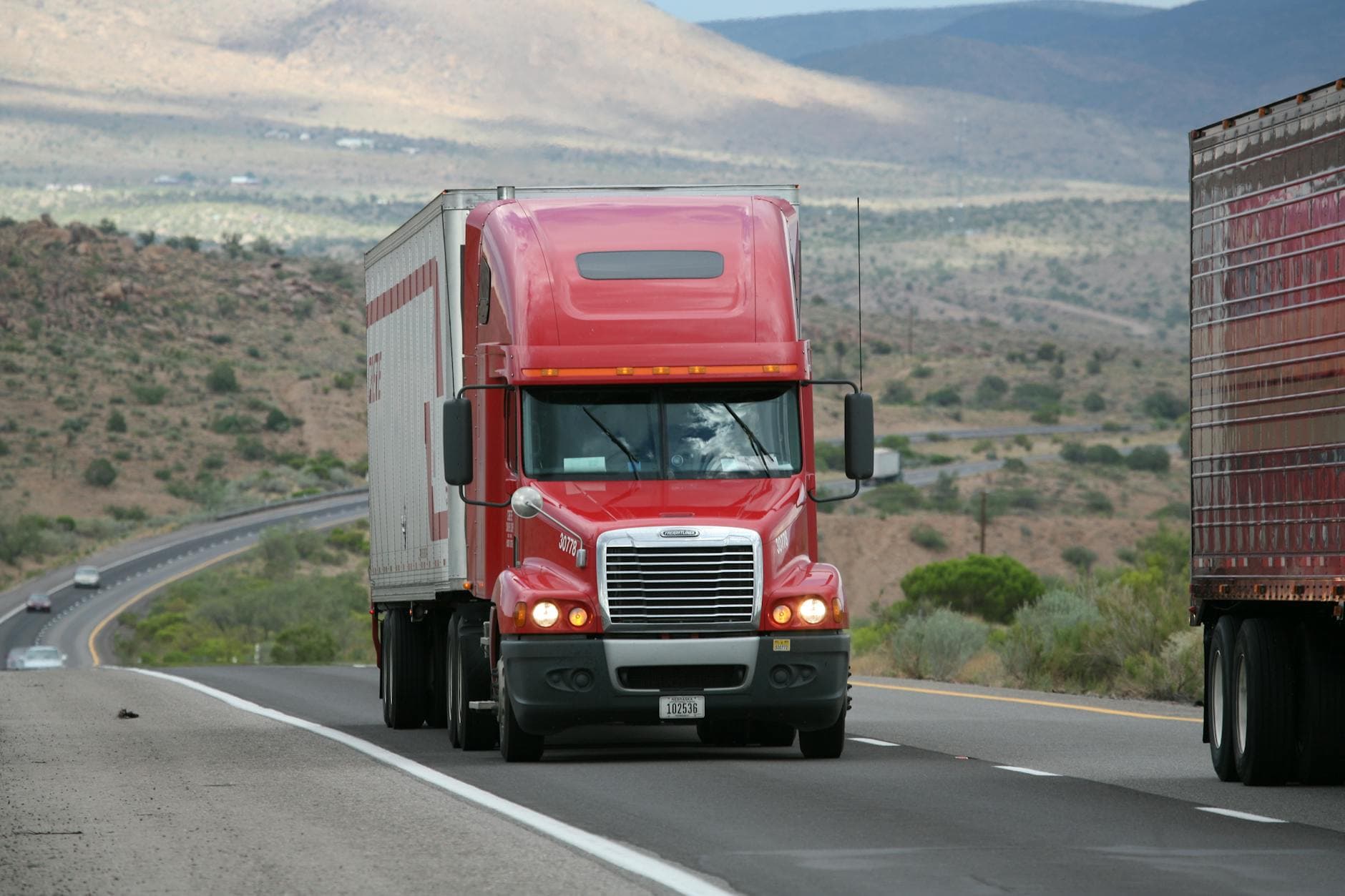
Today & what's next
Nearshoring, Mexico, chassis reform, decarbonization, and freight visibility.
Read