
Chapter 07 · The Tour
Economic & environmental impact
Steel wheels on steel rail move a ton of freight nearly 500 miles on a single gallon — that one fact drives both the dollars and the carbon.
The economics and the environmental footprint of intermodal are two readings of the same number. Because rolling steel wheels on steel rail meets far less resistance than rubber tires on asphalt, freight rail can move a ton of goods nearly 500 miles on one gallon of fuel [1]. That single ton-mile advantage is the engine behind everything in this chapter.
The cost story rests on scale. A single intermodal train can take hundreds of trucks off the highway [2], spreading crew, fuel, and equipment across far more freight than any one driver can. Intermodal has become the single largest source of revenue for the major U.S. railroads — historically about a quarter of their freight revenue[3]. Step back to the whole system and the footprint is large: U.S. freight rail generates more than $230 billion in annual economic output, supports nearly 750,000 jobs, and returns about $2.50 in economic activity for every dollar invested[4]. Railroads move roughly 1.6 billion tons a year across a 135,000-plus route-mile network, funded by some $825 billion of their own capital since 1980[5].
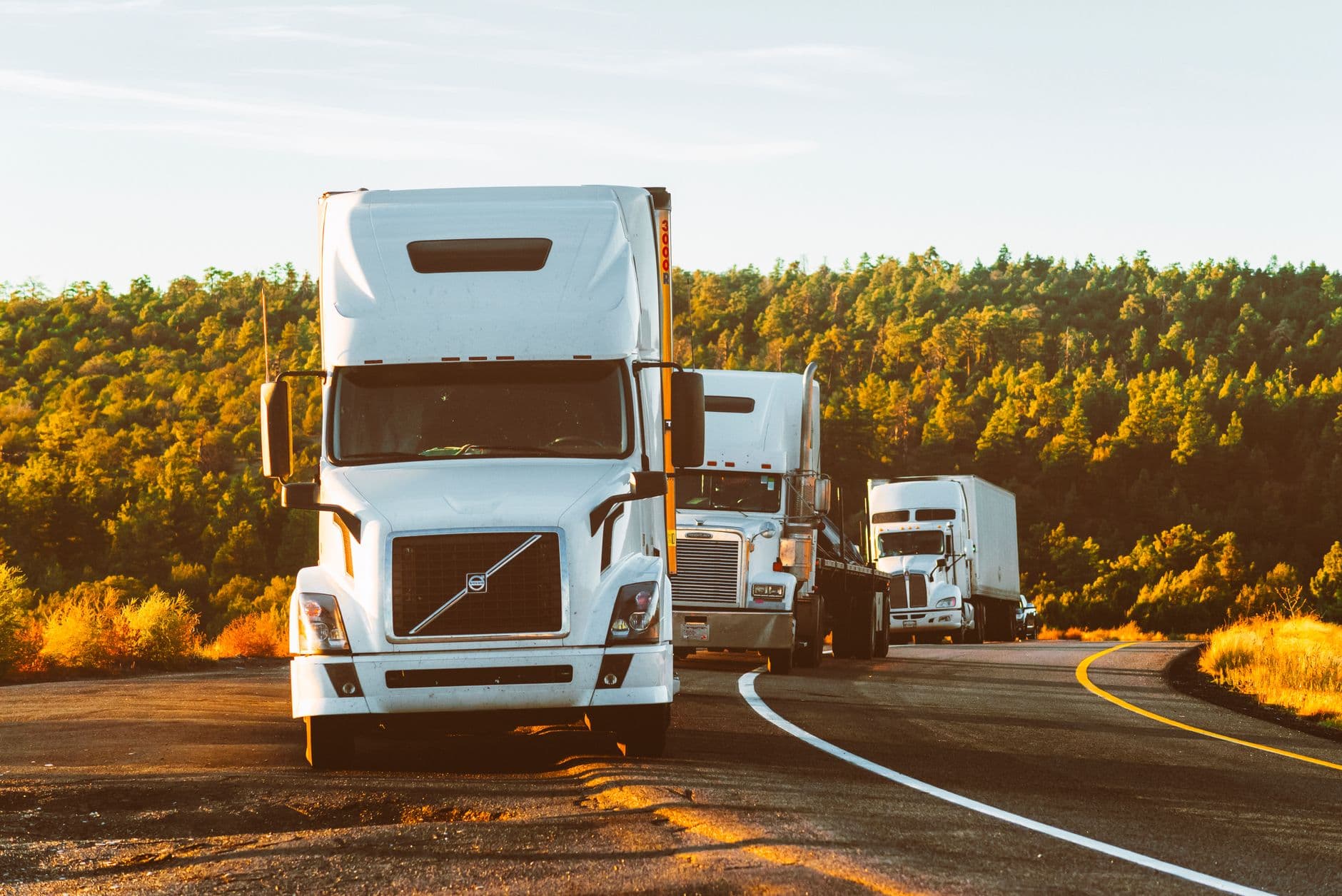
Run that same fuel-efficiency edge forward and it shows up as carbon. Moving freight by rail is roughly three to four times more fuel-efficient than moving it by truck [6], so shifting the same load from highway to rail can cut greenhouse-gas emissions by up to about 75% [7]. Those comparisons rest on a measured emission factor: EPA's SmartWay program assigns roughly 10,180 grams of CO₂ per gallon of rail diesel, drawn from railroads' FRA R-1 reports [8].
Two caveats. These rail figures cover the line-haul only — the drayage truck moves at each end add emissions the rail-only numbers do not capture, so the advantage narrows on short hauls. And the savings assume the freight would otherwise have moved entirely by truck; the real gain depends on lane, distance, and load. Framed that way — same freight, truck versus rail — the case holds.
The dollars and the carbon
- Cost. Rail line-haul is cheaper per mile than over-the-road trucking.
- Capacity. One double-stack train can replace hundreds of trucks.
- Jobs & output. Freight rail supports ~750,000 jobs and $233B in output.
- Emissions. Up to ~75% less greenhouse gas than the same freight by truck.
- Congestion. Every train removed is hundreds fewer trucks on the highway.
Fuel efficiency: rail vs. truck
Approximate ton-miles per gallon. Rail ≈ 500 (AAR); the truck value is derived from AAR's stated 3–4x multiple, not a printed truck figure.