Blue Current
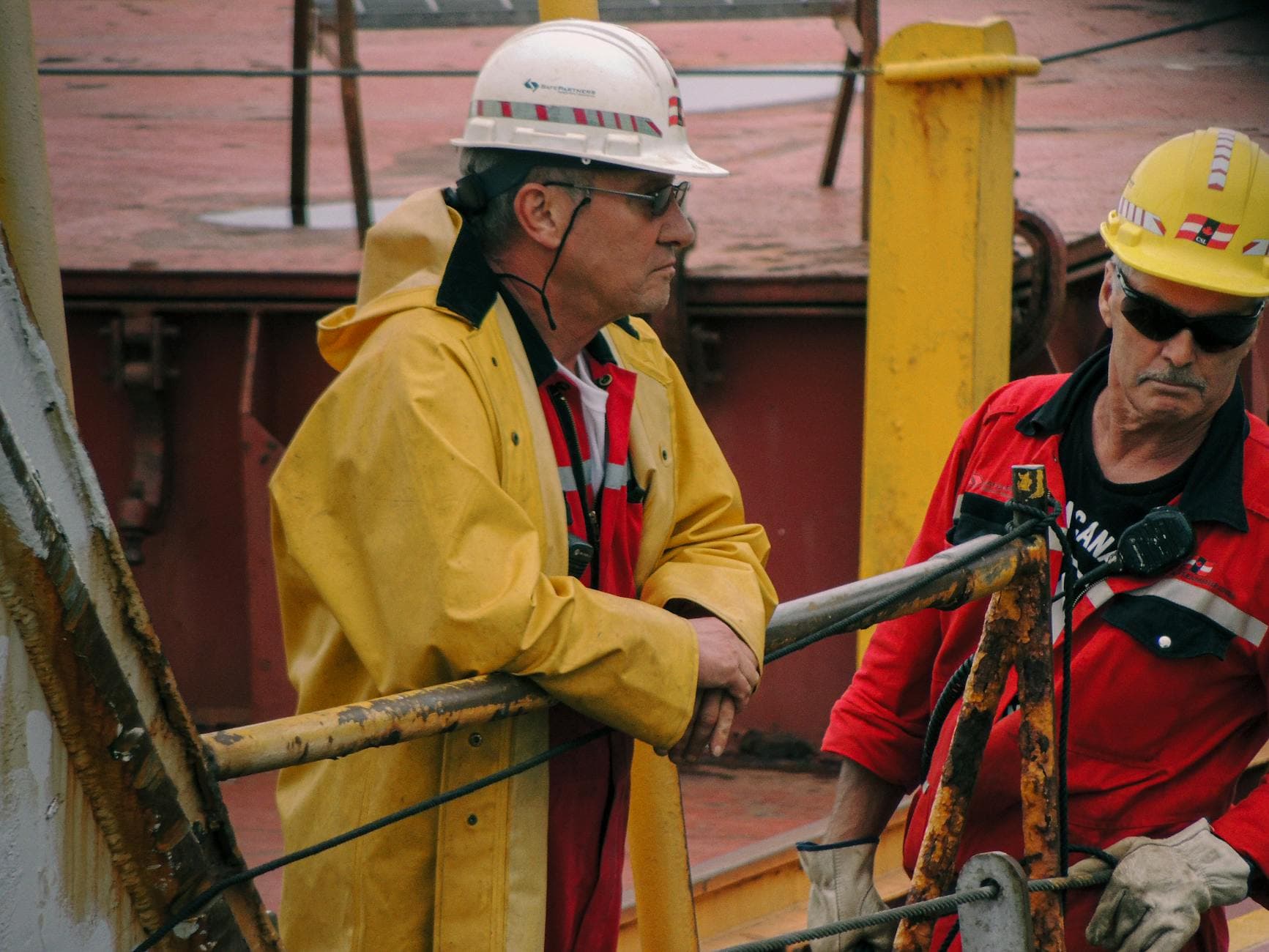
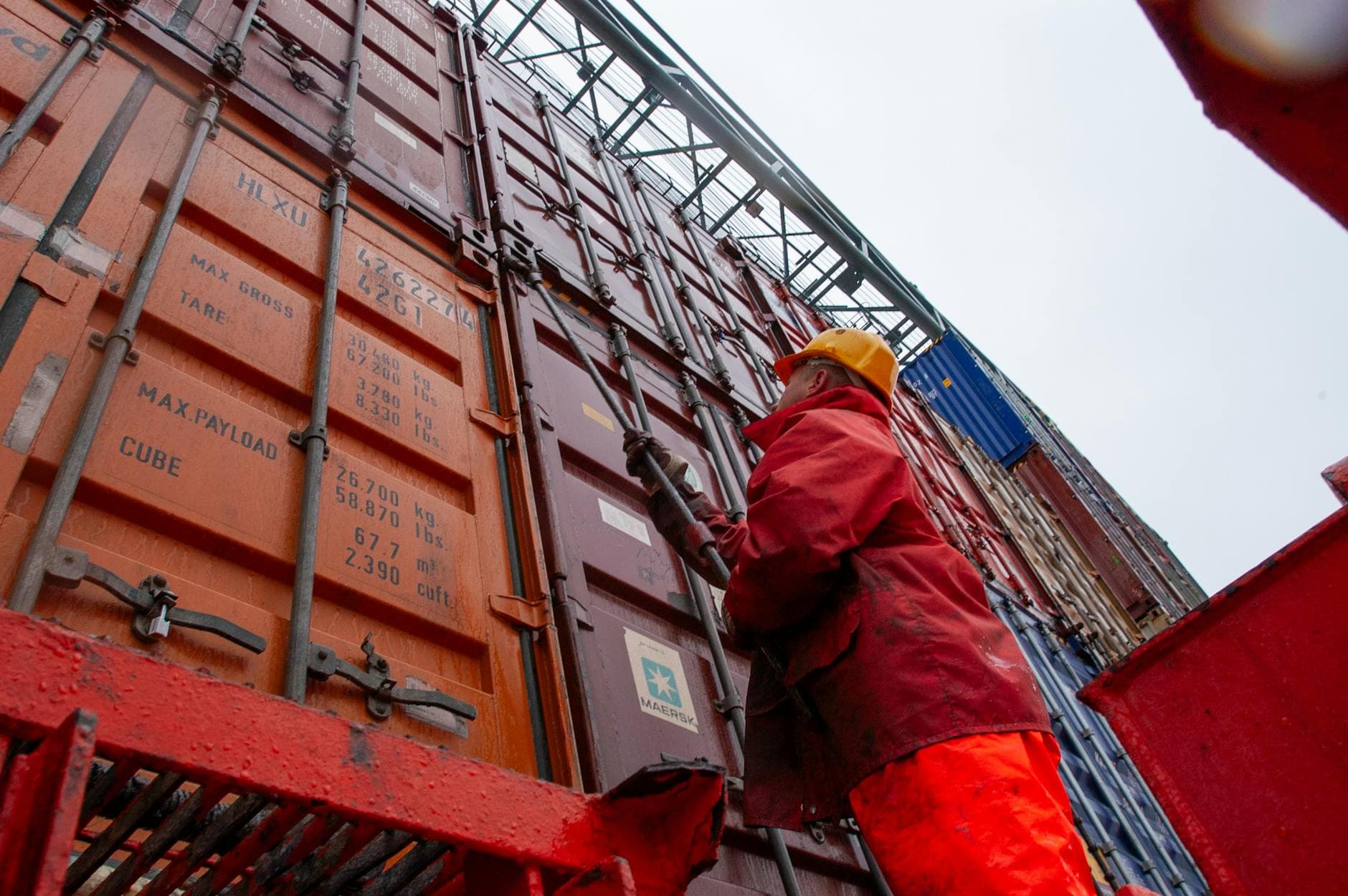
A port worker in foul-weather gear securing stacked shipping containers.

Reference

Heroes of the industry

Intermodal is a story about a box — but boxes do not move themselves. These are the people who invented the system and the people who keep it running every day.

The pioneers

Who built the box

Sourced · see /sources

August Fruehauf

1914

The blacksmith who invented the semi-trailer

A Detroit blacksmith and carriage builder, Fruehauf built a single-axle trailer in 1914 to haul a lumber dealer's boat behind a Model T. Because it leaned on the towing vehicle instead of carrying its own front axle, he called it a "semi-trailer" — the direct ancestor of every over-the-road trailer and the chassis that carries containers today.
Malcom McLean

1956

The trucker who containerized shipping

A North Carolina trucking owner who grew tired of watching cargo handled piece by piece. He loaded 58 sealed boxes onto a converted tanker, the Ideal-X, and sailed it from Newark to Houston — the moment that turned break-bulk into intermodal.

Keith Tantlinger

1950s–60s

Engineer of the twistlock

The mechanical designer behind the corner casting and twistlock that let any crane lift any box and lock it to any deck or chassis. McLean's Sea-Land later released the patents royalty-free, which let the whole industry standardize around the design.

Charles R. Cushing

1950s–60s

McLean's naval architect of the containership

A merchant-marine officer turned MIT-trained naval architect, Cushing was Malcom McLean's first full-time engineer at Pan-Atlantic and rose to chief naval architect at Sea-Land. He worked out the cellular below-deck guides and stacked deck loads that define the modern containership, designing dozens of Sea-Land vessels before founding his own firm in 1968.

Foster L. Weldon

1958

The analyst who proved Matson's container case

Weldon led the operations-research study that justified Matson Navigation's move into containers, published in 1958 as a landmark analysis of containerization in the West Coast–Hawaiian trade. He treated the decision as a systems problem — how many boxes, ships, and cranes would actually pay off — putting a named individual behind the data-driven Matson story.

Matson's engineers

1958

Containerization, by the numbers

On the Pacific, Matson Navigation took a research-driven path — applying operations research and systems analysis to decide ship, crane, and terminal design before committing. Their disciplined approach showed containerization was an engineering problem, not just a bigger box.

PACECO Portainer

1959

The crane that made ports fast enough

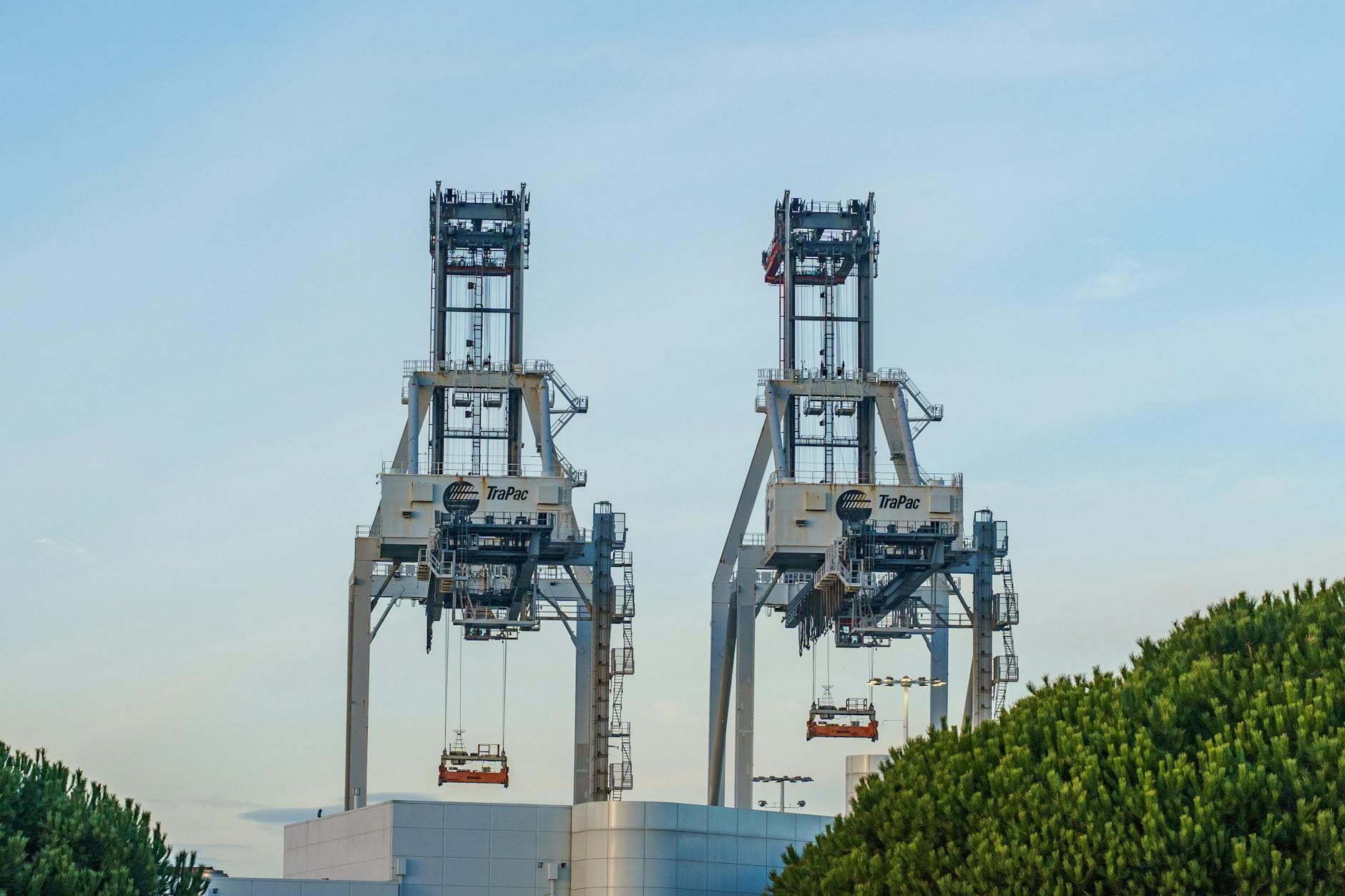
On January 7, 1959, the Pacific Coast Engineering Company put the first purpose-built dockside container crane — the "Portainer" — into service for Matson at Alameda, California. Built to Matson's specs, it cut a ship's turnaround from weeks to under a day. Without a crane that could keep pace with the ships, containerization on shore would have stalled.

Harry Bridges

1960

The labor leader who let the docks mechanize

Containerization threatened to erase longshore jobs. Rather than fight it, the ILWU's founding president negotiated the 1960 Mechanization and Modernization Agreement — trading old work rules for pay guarantees and pensions and clearing the way for West Coast ports to automate. The deal let Los Angeles, Long Beach, Oakland, and Seattle become the container gateways they are today.

J. Paul St. Sure

1960

Management's negotiator of the Mechanization Agreement

As president of the Pacific Maritime Association, St. Sure was the employers' lead in negotiating the 1960 Mechanization and Modernization Agreement with Harry Bridges and the ILWU. The deal traded old work rules for guarantees to existing longshoremen and cleared the West Coast to mechanize — he was Bridges' counterpart across the bargaining table.

Ben E. Nutter

1962–77

The port director who built Oakland into a hub

As executive director of the Port of Oakland from 1962 to 1977, Nutter bet early on container terminals and grew a mid-size general-cargo port into one of the busiest container ports in the world. Oakland's Ben E. Nutter Terminal carries his name.

Thomas "Teddy" Gleason

1963–87

The East Coast longshore leader who bargained over the box

President of the International Longshoremen's Association from 1963 to 1987, Gleason led East Coast and Gulf dockworkers through containerization, winning container royalties and a Guaranteed Annual Income to soften the job losses automation brought. He was the Atlantic counterpart to Harry Bridges on the Pacific.

James Sherwood

1965

The American who built container leasing

An American entrepreneur based in London, Sherwood founded Sea Containers Ltd. in 1965 with $100,000, betting that shipping lines would rather lease steel boxes than buy them. Container leasing boomed alongside containerization itself, and his firm became one of the largest lessors in the world.

Chang Yung-fa

1968

The captain who founded Evergreen

A Taiwanese sea captain who started Evergreen Marine in 1968 with a single secondhand freighter, Chang committed fully to containerization in the mid-1970s. In 1984 he launched the industry's first round-the-world container service, running ships in both directions on a fixed schedule — a network that made Evergreen one of the largest container lines on Earth.

ISO standardization

1968–70

The agreement that made boxes interchangeable

Not one person but a worldwide committee that fixed container dimensions and fittings. Standardizing the 20- and 40-foot box is what let a container built anywhere ride any ship, rail car, or chassis on Earth.

C.Y. Tung

1969

Asia's container-shipping pioneer

A Shanghai-born magnate who built one of the first great Chinese-owned merchant fleets, Tung founded the line that became OOCL. In 1969 it became the first Asian-based carrier to move containerized cargo across the Pacific, opening the trans-Pacific container trade that now dominates global shipping.

The double-stack well car

1977

The railcar that made stacking possible

Before there could be double-stack trains, there had to be a car that could carry two boxes safely. In 1977 the Southern Pacific, Sea-Land, and railcar builder ACF jointly developed the first "well car" — a depressed center frame that let one container nest below the rail tops with a second locked above. It's the equipment Don Orris's APL would later scale into scheduled service.

W. Bruce Seaton

1977–92

The APL chief who launched ocean-rail double-stack

As president and CEO of American President Lines and its parent from 1977 to 1992, Seaton drove the carrier's bet on larger-than-Panamax containerships and, in 1984, the first scheduled transcontinental double-stack train network. That ocean-plus-rail strategy reshaped how containers crossed North America. Don Orris ran APL's intermodal department under his leadership.

Harley O. Staggers

1980

The congressman behind rail deregulation

A West Virginia congressman and longtime chairman of the House commerce committee, Staggers lent his name to the Staggers Rail Act of 1980, which deregulated U.S. railroad pricing. The freedom to price competitively and sign private contracts with shippers is what made aggressive double-stack intermodal economics possible.

Staggers-era reform

1980

Deregulation that unlocked double-stack

The Staggers Rail Act gave railroads pricing freedom and revived a struggling industry. Within a few years that financial footing made double-stack trains and modern rail intermodal economically viable.

L. Stanley Crane

1981

The man who saved Conrail

Brought in to run the government-owned, money-losing Conrail in 1981, Crane used the new freedoms of the Staggers Act — shedding unprofitable branch lines and setting his own rates — to turn the railroad profitable within two years. Conrail became an intermodal leader and was returned to private hands in one of the great corporate turnarounds in American history.

Mark George

1982

Built the country's largest drayage network

At 20, in the teeth of a recession, Mark George started Intermodal Cartage Company in Memphis with a single truck and driver. Four decades later it is IMC Logistics — the largest marine drayage carrier in the United States, with terminals at virtually every major U.S. port and rail ramp. Proof that the unglamorous first-and-last mile is its own empire.

Don Orris

1984

The father of double-stack rail

Heading APL's intermodal arm in the early 1980s, Orris championed the well car that carries two containers stacked one atop the other. The first scheduled double-stack train ran in 1984, nearly doubling freight per train while cutting the locomotives, track, and crews needed — the economics that finally made long-haul intermodal beat the highway.

Donald Schneider

1980s

The truckload giant who embraced the rails

Don Schneider took over his family's Wisconsin trucking firm and, after trucking was deregulated in 1980, built Schneider National into the country's largest truckload carrier. An early adopter of satellite truck communications, he launched a dedicated intermodal rail service and logistics arm rather than treat railroads as rivals — helping make truck-rail intermodal mainstream for shippers.

Mike Haverty

1989

The railroad half of the intermodal handshake

As president of the Santa Fe Railway, Haverty made the call that a Class I railroad and a truckload carrier could be partners rather than rivals — launching the landmark intermodal service with J.B. Hunt. The University of Denver names him an intermodal founding father. He later rebuilt Kansas City Southern into a NAFTA railroad linking the U.S., Mexico, and Canada.

J.B. Hunt

1989

The trucker who teamed up with the railroad

Johnnie Bryan Hunt built one of America's largest trucking fleets, then did the unthinkable: in 1989 he partnered with the Santa Fe Railway to put his trailers on their trains. That first major truck-rail alliance proved two rivals could move freight together and became the blueprint for modern domestic intermodal.

E. Hunter Harrison

1993

The architect of scheduled railroading

Starting at the Illinois Central in 1993, Harrison pioneered Precision Scheduled Railroading — running freight on fixed, point-to-point schedules instead of waiting to fill trains — and carried it to Canadian National, Canadian Pacific, and CSX. PSR slashed operating costs across North American railroading, though critics argue its focus on the operating ratio came at the expense of intermodal and carload service.

Robert Krebs

1995

The strategist behind BNSF

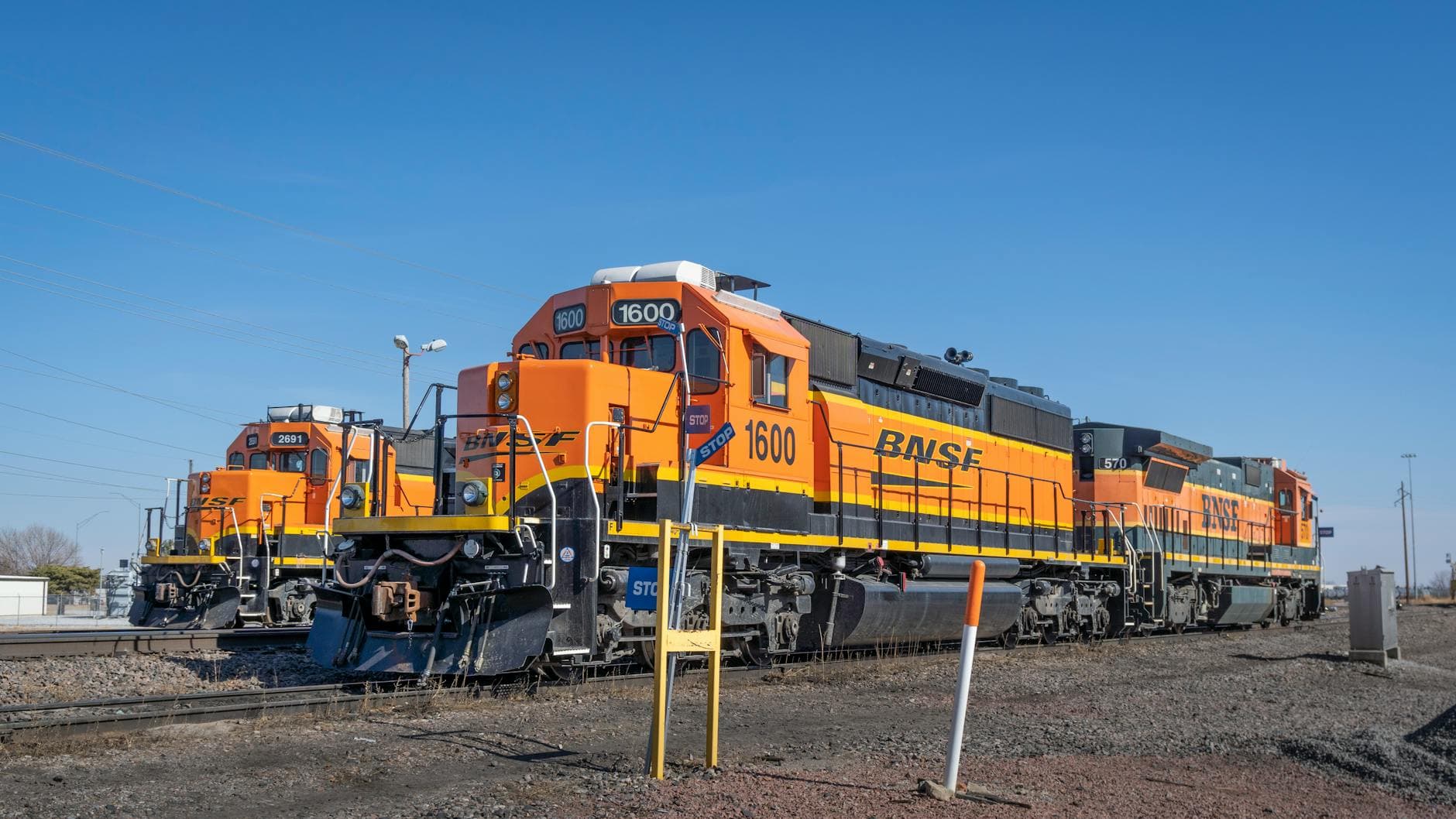
One of the very few people to run three Class I railroads, Krebs led the 1995 merger of Burlington Northern and Santa Fe that created BNSF. He saw fast, reliable domestic intermodal — for customers like UPS and J.B. Hunt — as the railroad's future, and pushed the double-tracking of the Chicago-to-Los Angeles "Transcon" into the busiest intermodal corridor in North America.

Mærsk Mc-Kinney Møller

1999

The magnate who bought Sea-Land

Heir to A.P. Moller-Maersk and its leader from 1965, the Danish shipping magnate drove Maersk's rise into the world's largest container carrier. In 1999 Maersk acquired the international business of Sea-Land — Malcom McLean's pioneering line — folding the company that invented containerization into the line that scaled it globally.

Alameda Corridor

2002

The 20-mile freight expressway under L.A.

Opened in 2002, the Alameda Corridor is a 20-mile grade-separated rail "expressway" linking the ports of Los Angeles and Long Beach to the transcontinental BNSF and Union Pacific mainlines. Its 10-mile below-grade trench eliminated 104 street crossings and cut port-to-railyard transit to about 45 minutes, letting container trains flow straight off the docks to the rest of the country.

Marc Levinson

2006

The historian who chronicled the box

An economist and former finance editor at The Economist, Levinson wrote The Box, the definitive popular history of containerization. The book recovered the story of Malcom McLean and the container's slow, contested rise — and made the once-invisible steel box a recognized force in globalization. It remains the standard reference for the field.

Larry Gross

2000s–today

The analyst who reads the intermodal market

A 40-plus-year freight veteran and founder of Gross Transportation Consulting, Gross authors the sector's leading forecast, "Intermodal in Depth." In 2024 IANA awarded him its Silver Kingpin for his impact on the industry — he's the voice people turn to to make sense of where the boxes are headed.

The people who move the box today

Every container that reaches your door passed through a dozen pairs of hands

Drayage drivers

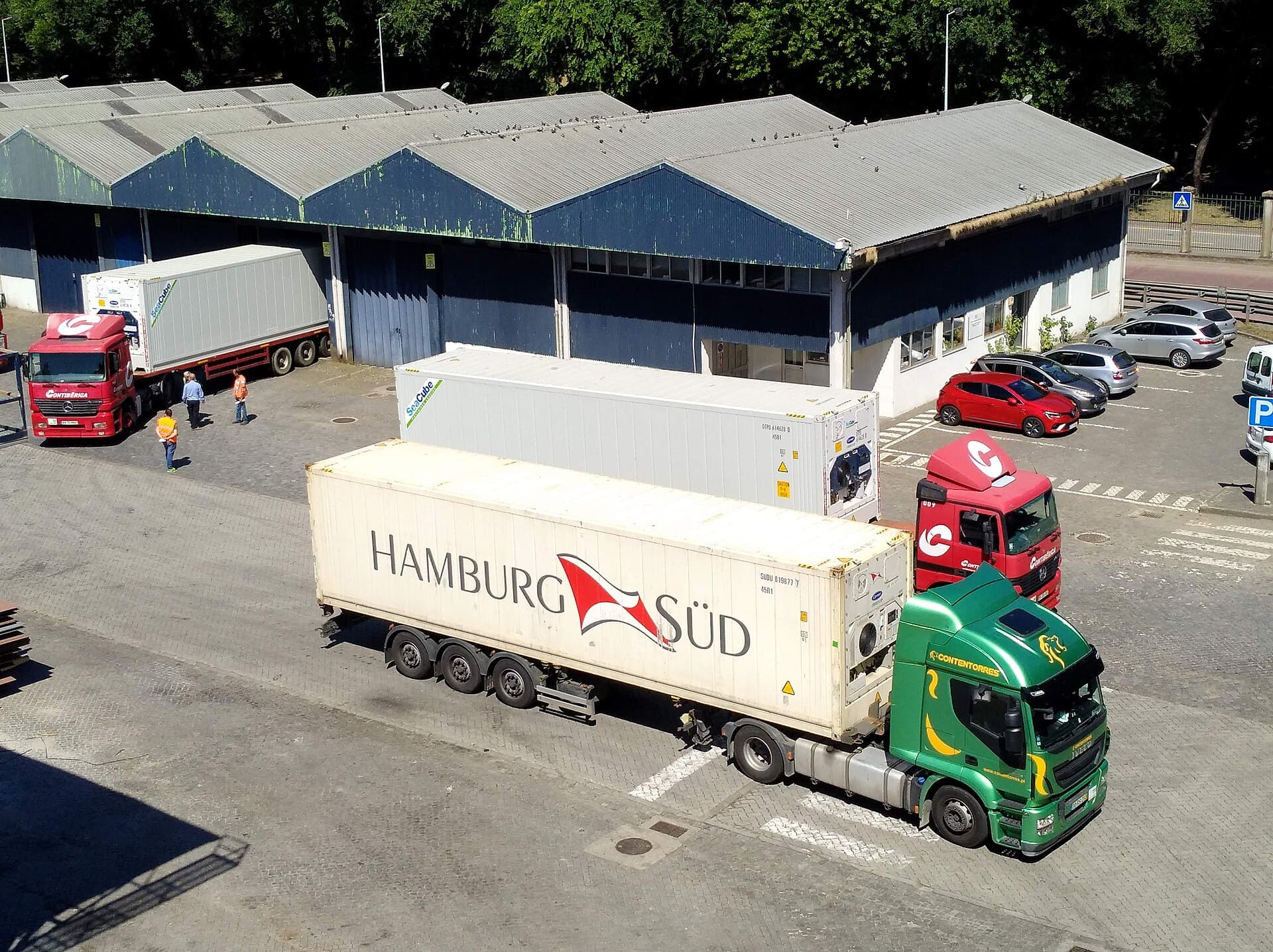
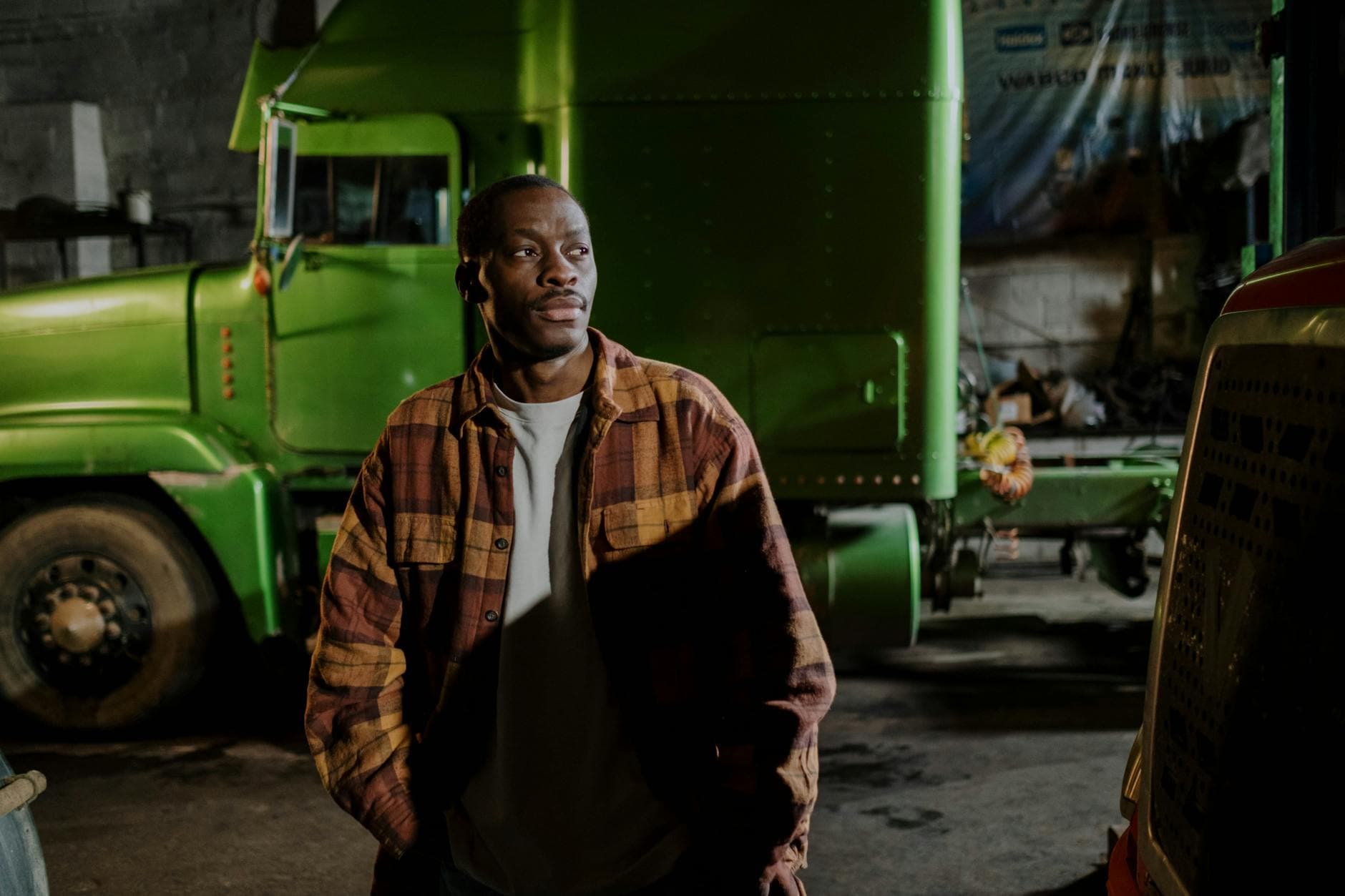
Haul the box the critical first and last miles — port to ramp, ramp to door — often through the worst congestion of the whole trip.

Crane & gantry operators

Lift 40-ton boxes off ships and stack them with inch-level precision, dozens of moves an hour, in any weather.

Longshore workers

Work the dock face where the ocean leg ends — lashing, unlashing, and marshaling thousands of containers per vessel call.

Rail ramp & yard crews

Build and break the double-stack trains, mount and dismount containers from well cars, and keep the linehaul moving on schedule.

Dispatchers & IMCs

Orchestrate the handoffs — booking rail slots, routing drivers, chasing appointments — so the box never sits idle.

Chassis & container mechanics

Keep the wheels turning literally: inspecting, repairing, and certifying the chassis and boxes that the whole system rides on.

Terminal & yard planners

Decide where every box lands in the stack so the next move out is the shortest one — the quiet logic behind a fast terminal.

Maintenance-of-way crews

Maintain the track, signals, and structures the trains run on — the unglamorous work that keeps freight from ever stopping.

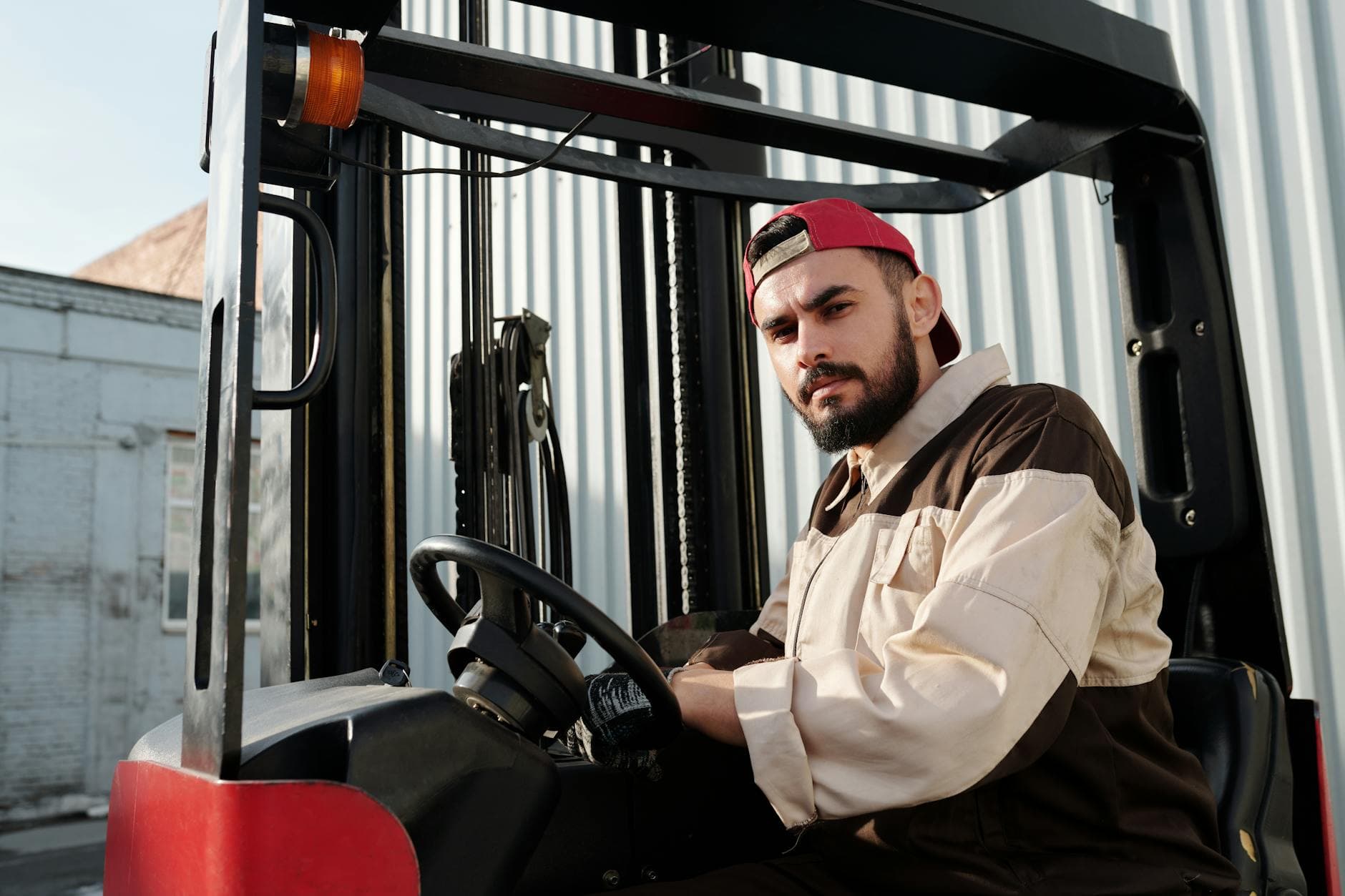
Forklift & top-handler operators

Run the lift trucks and top-handlers that shuttle boxes around the yard and warehouse — the muscle that feeds the cranes and trains.

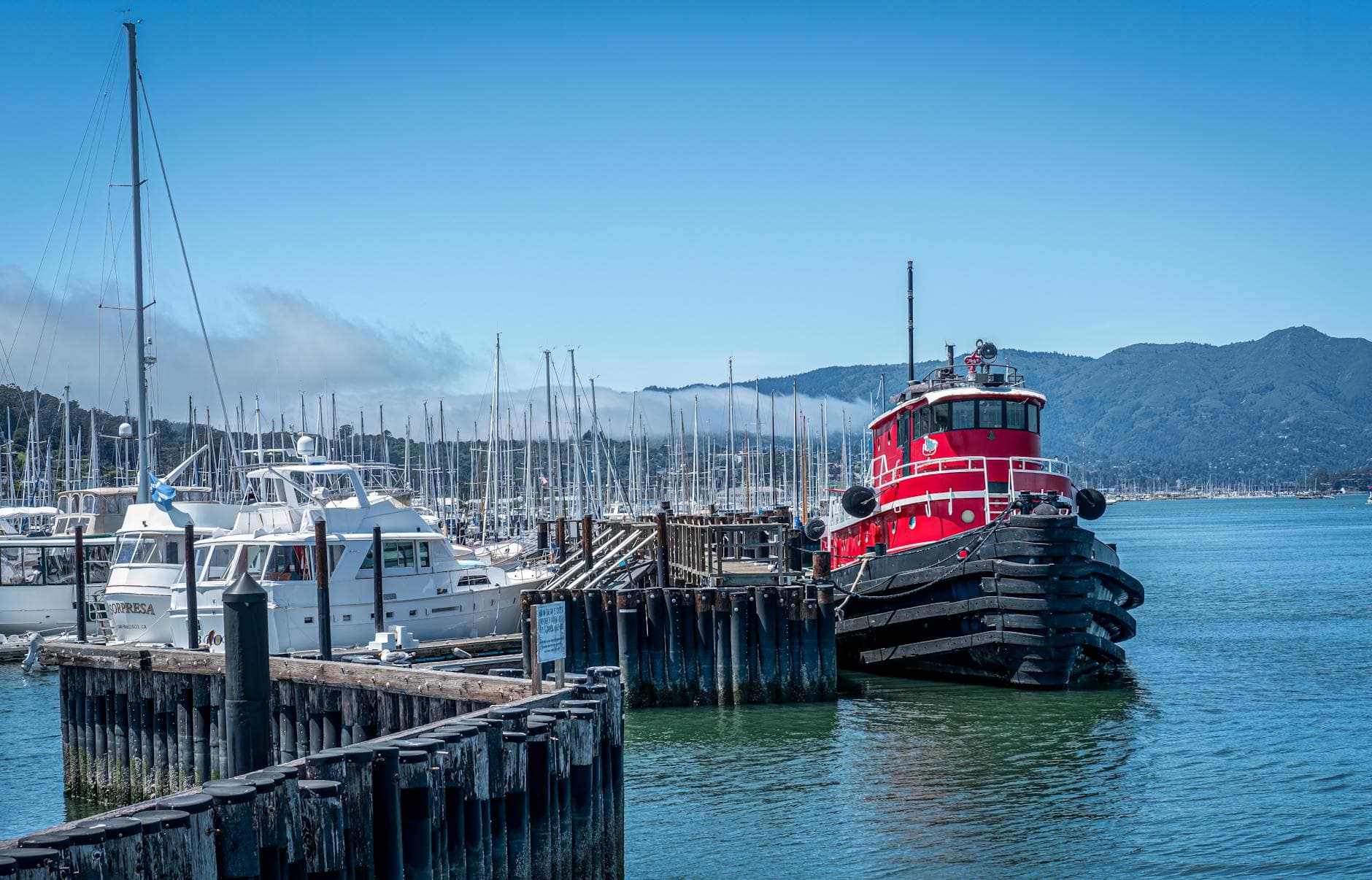
Tugboat & harbor crews

Nudge thousand-foot container ships through tight harbors and into the berth — the first and last hands on the vessel.

Gate inspectors & checkers

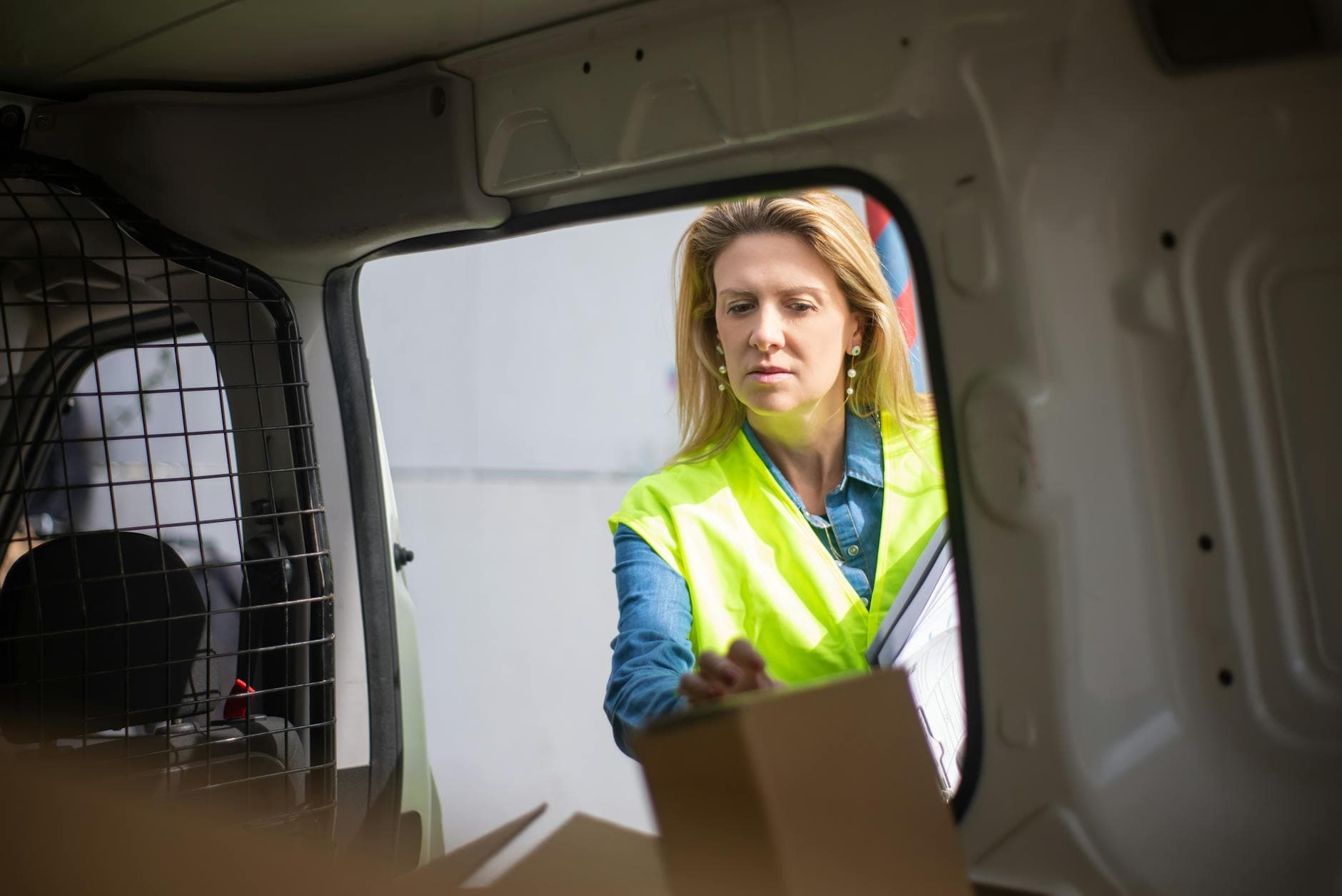
Log and inspect every container and chassis at the gate, catching damage and confirming the box that left is the box that arrived.

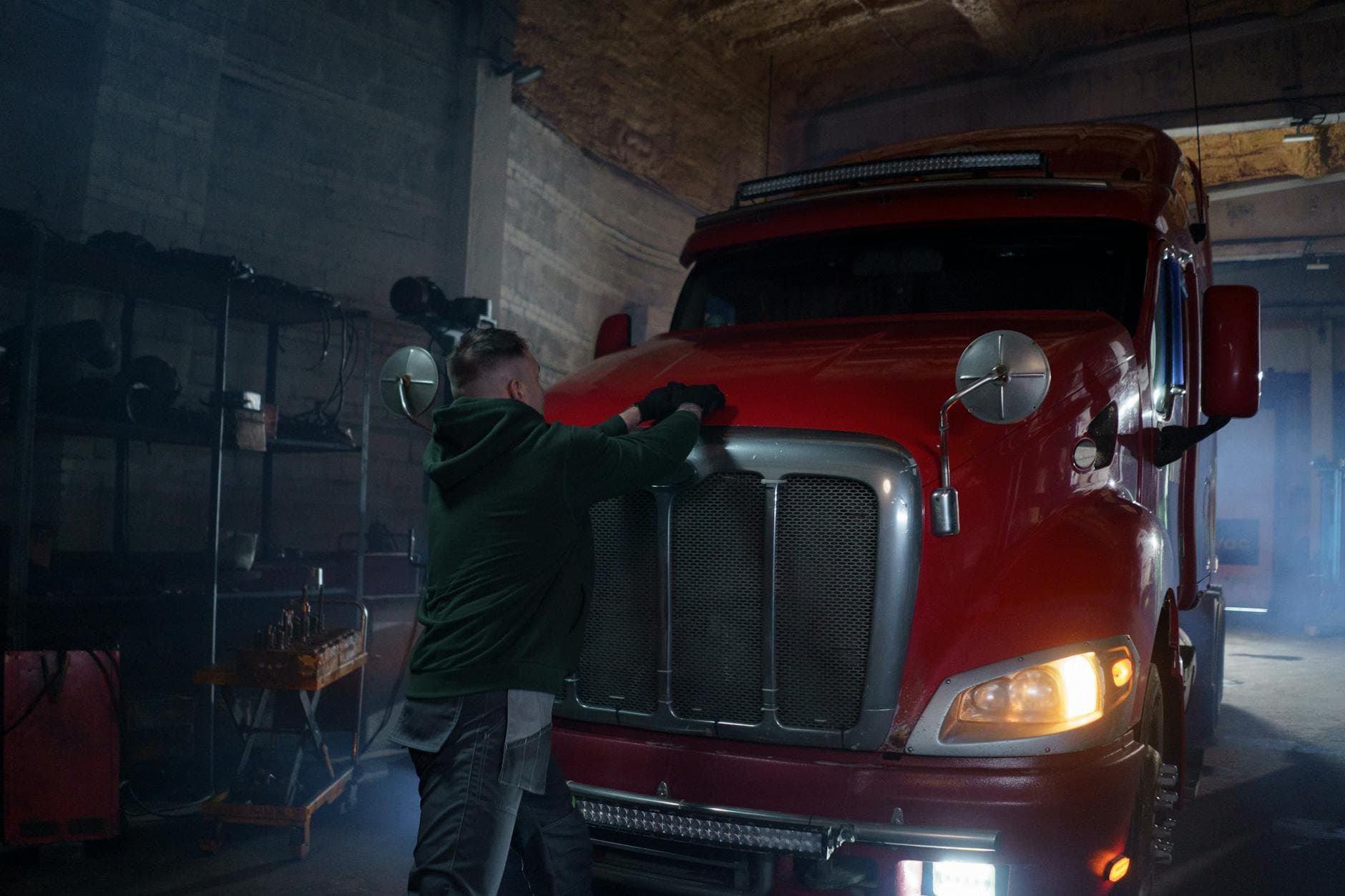
Diesel & equipment mechanics

Keep the tractors and yard hostlers running — engines, brakes, and hydraulics that can't afford a day down.